
The University of the West Indies Development and Endowment Fund (UWIDEF) officially launched its newest fundraising initiative on Saturday, June 6, 2026, with a sold-out evening of exceptional music, elegance, and philanthropy held under the patronage of Guillaume Pierre, Ambassador of the French Republic.
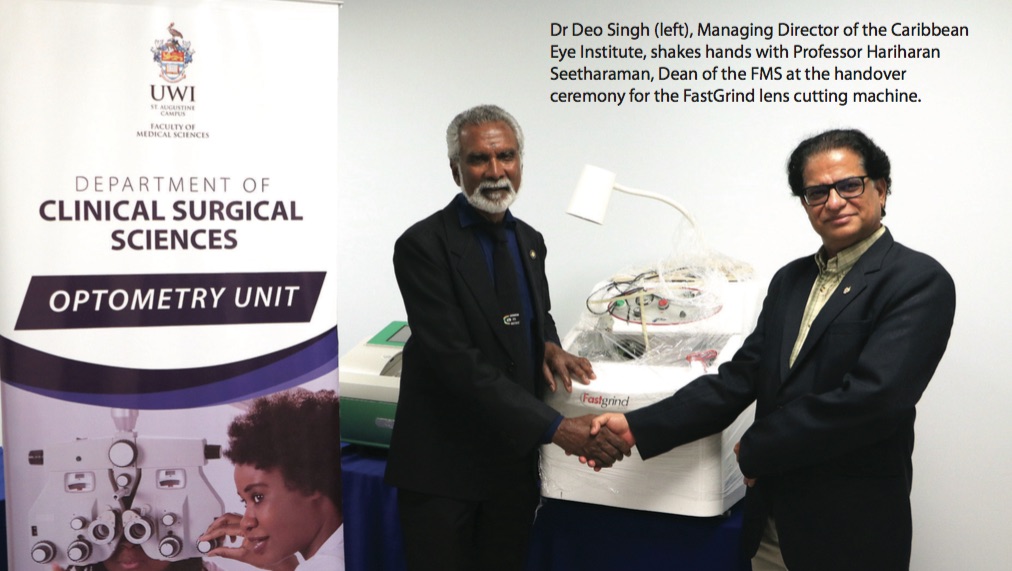
FROM LEFT: Senator Darrell Allahar, Minister in the Office of the Prime Minister; Mrs Zalayhar Hassanali ORTT; Dr Sterling Frost ORTT, Chairman of The UWIDEF; and Guillaume Pierre, Ambassador of the French Republic, at Ténor En Récital. PHOTOS: COURTESY THE UWI DEVELOPMENT AND ENDOWMENT FUND
The inaugural event, “Ténor En Récital”, brought together patrons of the arts, members of the diplomatic corps, corporate leaders, educators, philanthropists, and supporters of higher education to raise funds for student bursaries and scholarships at The UWI St Augustine campus.
Exclusively sponsored by Jlew Signature Events Limited, the evening’s centrepiece was a performance by acclaimed tenor Dr Edward Cumberbatch, accompanied by renowned pianist Dr Richard Tang Yuk. They delivered a programme featuring selections from lieder, oratorios, arias and spirituals.
Complementing the musical experience was a culinary offering curated by Chef John Aboud and the Aioli Restaurant team. Patrons also enjoyed a selection of premium wines courtesy of More Vino, alongside signature cocktails and mocktails featuring Blue Waters’ Cran+ and VIVA from SM Jaleel & Company Limited.

Dr Edward Cumberbatch
Chairman of the UWIDEF, Professor of Practice Dr Sterling Frost ORTT paid tribute to former First Lady Mrs Zalayhar Hassanali ORTT, and conferred her with honorary membership to the foundation. The honour was bestowed in recognition of her longstanding commitment to education, philanthropy, and the advancement of UWIDEF’s mission.
“Mrs Hassanali transformed what could have been a ceremonial role into a lifelong vocation of service,” Dr Frost said. “She reached out to the forgotten. She advocated for children and women. She championed persons with disabilities. And she brought dignity, comfort and hope to those who often stood beyond the spotlight of public attention. She demonstrated that leadership is not always exercised through authority. Sometimes it is exercised through compassion. Through generosity.”
The UWIDEF Vocal Recital Series continues on September 12, 2026 with soprano Natalia Dopwell. The series concludes on November 21 with soprano LeAndra Head. Proceeds from the series support student bursaries and scholarships at UWI St Augustine.
Persons interested in attending can contact the UWIDEF Secretariat at sta-uwide@uwi.edu or 730-6489.