
Context and Background
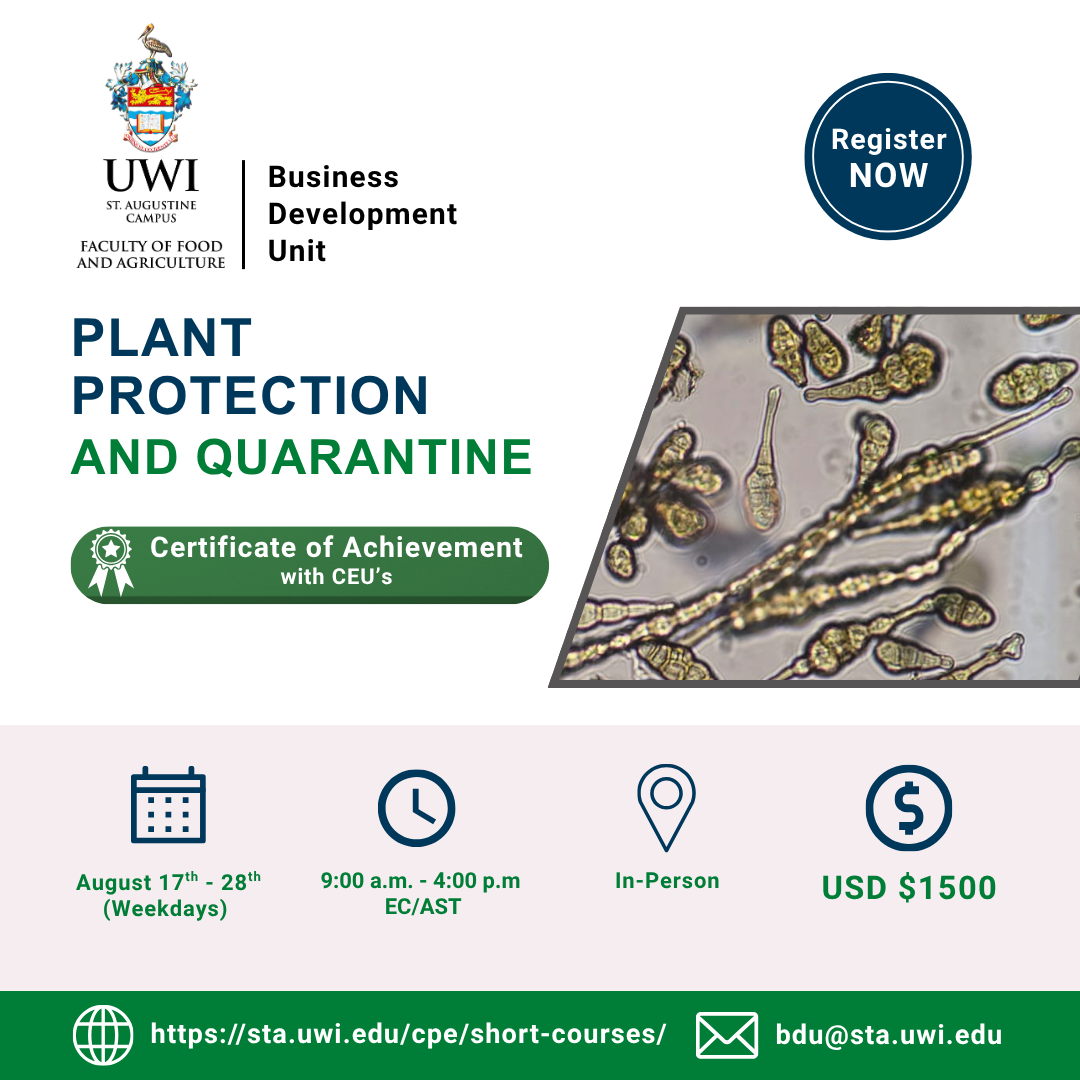
This intensive short course provides participants with the technical knowledge and practical skills required to protect agriculture and biodiversity from plant pests and diseases. Combining comprehensive classroom instruction with laboratory and field-based practical exercises, the programme covers pest risk analysis, plant pest and disease diagnostics, phytosanitary regulations, surveillance systems, and international plant protection standards. Participants will gain hands-on experience using diagnostic tools and laboratory techniques while developing the competencies needed to support effective plant quarantine, biosecurity, and safe agricultural trade.
Learning Outcomes for the Workshop
By the end of this course, participants will be able to:
- Explain the role of plant quarantine in protecting agriculture and biodiversity.
- Demonstrate the correct use of laboratory equipment used in plant protection and plant pathology.
- Conduct pest risk analyses to support biosecurity decision-making.
- Interpret phytosanitary regulations and legal frameworks governing plant trade.
- Explain how international trade agreements influence plant protection measures.
- Apply diagnostic tools and molecular techniques for pest and disease detection.
- Identify insect pests based on morphology and behaviour.
- Recognize plant pathogens using host symptoms and microscopic examination.
- Perform molecular diagnostic techniques for pest and disease identification.
- Apply pest surveillance, monitoring, and sampling methods.
- Explain the importance of seed health testing and apply basic diagnostic procedures.
Key Takeaways
By the end of this programme, participants will possess the technical knowledge and practical competencies required to protect agriculture and biodiversity from plant pests and diseases. They will be equipped to apply internationally recognized phytosanitary standards, perform pest diagnostics and surveillance, conduct risk assessments, and contribute to effective plant quarantine and biosecurity systems that support food security and safe international trade.
Key Topics
- Introduction to Plant Quarantine
- Pest and Disease Diagnostic Equipment and Techniques
- Emerging Phytosanitary Threats and Pest Risk Analysis
- National and International Phytosanitary Legislation
- Trade Agreements and Their Role in Plant Protection
- Diagnostic Tools for Insects, Diseases, and Weeds
- DNA Extraction and Molecular Diagnostic Techniques
- Principles of Pest Identification
- Pest Surveillance, Monitoring, and Field Sampling
- Seed Health Testing and Diagnostics
- Plant Biosecurity and International Phytosanitary Standards
The Facilitator

Dr. Augustus Thomas is an Assistant Lecturer in the Department of Food Production, Faculty of Food and Agriculture. A trained Plant Pathologist, he teaches across the Department’s academic programmes, including certificate, diploma, undergraduate, and postgraduate levels.
Dr. Thomas serves as Coordinator of the Agro-Environmental Services (AES) Unit and coordinates several taught courses within the Department. He also leads the Department’s Community Outreach Committee, supporting initiatives that strengthen engagement between the University and the wider agricultural community.
At the regional level, Dr. Thomas serves on the Executive Committee of the Regional Plant Protection Organization and is a member of the Caribbean Plant Health Directors (CPHD). His expertise spans plant pathology, crop protection, integrated disease management, biological control, and the development and evaluation of microbial biocontrol products. His research and extension activities focus on advancing sustainable crop protection strategies that enhance agricultural productivity and resilience throughout the Caribbean.
Certificate Awarded
Participants will receive a Certificate of Achievement with Continuing Education Units (CEUs).
Pricing Information
Workshop Fee: US$ 1,500 (TT$10,200)
Online payment option (bank charges of 2.5% applies).
When and Where:
The workshop will be hosted by the Business Development Unit of the Faculty of Food and Agriculture, The University of the West Indies. It will utilize interactive pedagogy strategies to promote an engaging learning experience. You will be able to join this workshop in person at the Faculty of Food and Agriculture to participate in discussions, interactive presentations, group exercises, resource videos, and valuable articles and case examples where applicable.
The workshop will follow the schedule below:
- Dates: August 17, 18, 19, 20, 21, 24, 25, 26, 27, 28, 2026
- Times: 9:00 AM – 4:00 PM (EC/AST)
- In Person Lecture.
Don’t hesitate to contact the CPE Team at sta-cpe@uwi.edu, or visit sta.uwi.edu/cpe for registration details or complete the registration form using the following link: https://uwi.jotform.com/261305603848861