

The University of the West Indies has always been more than a collection of campuses. It is a regional institution with a shared mission, a common identity, and a powerful promise: to serve the Caribbean and the wider world as one university. Today, that promise is being strengthened through the OneUWI Digital Transformation Programme.
At its heart, the programme is about transforming the OneUWI dream into a lived digital reality. Whether a student studies at Mona, Cave Hill, St Augustine, Five Islands, or the Global Campus, or engages with the university online, the experience should feel consistent, accessible, secure, and distinctly UWI. The vision is clear: one university, one standard of service, one coherent digital presence, one secure environment, and one smoother journey for all stakeholders within the regional university community.
The Digital Transformation Programme is a multi-year university-wide journey, running through to 2027, designed to make The UWI easier to navigate, more connected, resilient, and better equipped to serve students, staff, alumni, partners, and the region.
It brings together modern platforms and shared services, including the OneUWI Student and Staff Portals, the OneUWI Service Desk, AI agents and chatbots, a unified library services platform, stronger cybersecurity capabilities, business continuity and disaster recovery planning, upgraded network infrastructure, and a refreshed digital presence.
This transformation is not simply about technology. It is about our people. It is about making everyday interactions easier for our students who need timely support, staff who need better tools, academic teams who collaborate across borders, and leaders who require trusted data for decision- making. At the heart of the transformation is reducing duplication, replacing fragmentation with integration, and creating common, standardised services that can be delivered consistently across the regional University space.
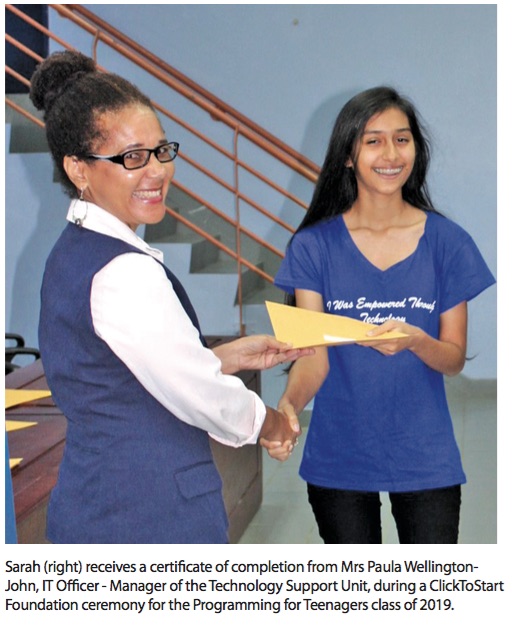
For students, the OneUWI digital experience will mean fewer barriers and clearer pathways. The OneUWI Student Portal is being developed as a single gateway to learning systems, registration information, communications, and support services. AI-enabled support and chatbots will provide faster answers to common questions, while the OneUWI Service Desk will improve tracking, transparency, response times, and consistency.
For staff, digital transformation will strengthen the workplace experience. The OneUWI Staff Portal will provide a secure digital environment where policies, tools, university news, and services are brought together in one place. Modern collaboration tools, supported through a single Microsoft 365 environment, will make it easier for colleagues across campuses and departments to work together, share information, and serve the university community more effectively.
Importantly, OneUWI does not mean uniformity without identity. Each campus will continue to reflect its own strengths, history, and community. What digital transformation makes possible is a shared foundation beneath that diversity: common platforms, common service standards, common security expectations, and a common commitment to excellent stakeholder experience.
For the institution as a whole, the programme provides the foundations for a more integrated and resilient UWI. Stronger IT governance, data governance, enterprise architecture, cybersecurity training, and business continuity planning will help ensure that the university’s systems are not only modern but also trusted, secure and sustainable. This is especially important as higher education responds to rising expectations, increasing cyber risks, climate-related disruptions, and the demand for flexible, hybrid operations.
Inclusion is also being built into the transformation from the start. Accessibility, assistive technologies for students with special needs, inclusive design, and gender-responsive approaches are all part of the digital acceleration agenda. The goal is to ensure that UWI’s digital systems work for the full diversity of its community.
The year 2026 has been identified as UWI’s Year of Digital Acceleration, marking a decisive shift from planning and piloting to visible delivery. Across this year, the university is accelerating training, technology deployments, and infrastructure upgrades so that students and staff begin to experience tangible improvements sooner.
Success will not be solely measured by systems launched. It will be measured by improved experience: faster access to support, fewer duplicated processes, more reliable services, stronger cybersecurity, better accessibility, improved continuity, and greater confidence in UWI’s digital future. Through digital transformation, The UWI is strengthening the foundations of OneUWI and creating a more seamless, secure, inclusive, and resilient university for the Caribbean and the world.