
Study Mode:
Full time: 3 Years
Part time: 4 Years
Start Date:
September 2025
Administrative Unit:
Department of Food Production
Email: food.production@sta.uwi.edu
Phone: 1(868) 662 2002 ext. 83989
Programme Overview
Caribbean islands are extremely vulnerable to both natural and anthropogenic disasters. Limited land space, lack of economic diversity, geophysical location and colonial hegemony have resulted in many of the islands firmly placed in cycles of crisis management rather than risk management. With the recent regional impacts of climate change and the international recognition of the heightened vulnerability of life and livelihoods in Small Island Developing States of the Caribbean, significant focus and resources are being attributed towards enhancing disaster and climate resilience across all sectors. Agriculture has been highlighted as one of the most vulnerable sectors, while environmental degradation combined with the effects of climate change results in repeated occurrences of natural disasters (floods, droughts, and landslides) ultimately impacting a myriad of other sectors.
This Major is designed to address the gap in formal tertiary level education as it pertains to disaster risk management and climate resilience in the Caribbean Region. Special focus is placed on the agricultural and environmental sectors to facilitate the incorporation of modern frameworks and concepts into management plans. The programme also provides an understanding of disaster risk and vulnerability assessments to equip students with technical capacity to conduct, analyse and apply disaster management strategies. Community based approaches and the integration of indigenous knowledge into disaster risk management schemes have also been included ensuring that persons are exposed to their importance and relevance in modern management disaster risk management strategies.
This dynamic programme can be combined with other Faculty majors, such as Agricultural Technology and Environmental and Natural Resource Management.
**Applicants qualify for CCRIF SPC Scholarships.
GRADUATE CAREER PATHS
- Environmental Health and Safety Specialist
- Emergency Management Consultant
- Disaster Risk Specialist
- Climate Change Analyst
- Risk Reduction Analyst
- Crisis Management Specialist
- Response and Recovery Coordinator
- Environmental Restoration Planner
Programme Breakdown
To major in Disaster Risk and Resilience for Agriculture and the Environment (DRRAE) students are required to complete 30 credits at the advanced level II/III in addition to compulsory level 1 courses. Students must successfully complete 12 credits of Level 1 courses and a total of 30 credits at the advanced level consisting of 24 credits of core courses and any 6 credits of elective courses.
NOTE: As in the BSc Agriculture, students in this Major are required to take AGRI 1102 instead of FOUN 1105.
COURSE LISTING
LEVEL I – SEMESTER 1
ADRR 1001 Introduction to Natural Hazards, Disasters and Climate Change
ADRR 1002 Environmental Sustainability
LEVEL I – SEMESTER 2
AGRI 1003 Mathematics for Scientist
AGRI 1020 Crop and Livestock Fundamentals
LEVEL II – SEMESTER 1
AGCP 2010 Climate Smart and Sustainable Agriculture
GEOG 2010 Geographic Information Systems
LEVEL II – SEMESTER 2
ADRR 2001 Disaster Risk Assessment and Analysis
ADRR 2004 Disaster Risk Resilience and Climate Change Adaptations
LEVEL III – SEMESTER 1
ADRR 3001 Food & Nutrition Security, Policy and Legislation
ADRR 3002 Community Engagement Principles and Practice
LEVEL III – SEMESTER 2
ADRR 3003 Sustainable Land Management
ADRR 3004 Water Resources Management
RECOMMENDED ELECTIVES
(minimum 2 courses required)
SEMESTER 1
AGRI 2003 Fundamental of Applied Statistics
AGCP 2102 Principles of Sustainable Agronomy
AGSL 3015 Geophysical Methods for Environmental Sensing and Analysis
SEMESTER 2
Course Code Course Title Credits
ENRM 3002 Anthropogenic Climate Change Management
ENRM 2002 Energy Resources and Sustainability
GEOG 3107 Meteorology and Climatology
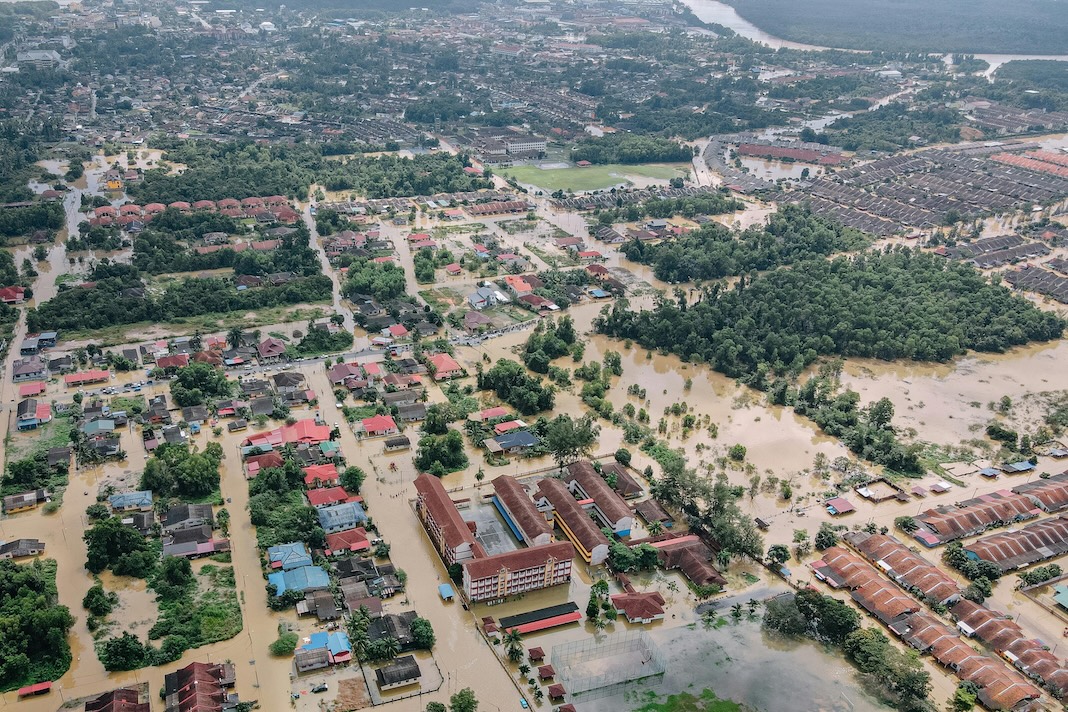
Photo by Pok Rie
Entry Requirements
To enter into this programme, you must possess one of the following:
- UWI Certificate in Agriculture
- UWI Certificate in Environmental Geography
-
Five (5) GCE O’Level or CSEC General Proficiency subjects (Grade I-III) or their equivalents which must include English Language, Mathematics and one science subject AND Two CAPE science subjects
- An approved Associate Degree with a minimum GPA of 2.5
* Special consideration will be given for professionals with > 5 years’ working experience in any Disaster Risk Management Portfolio.