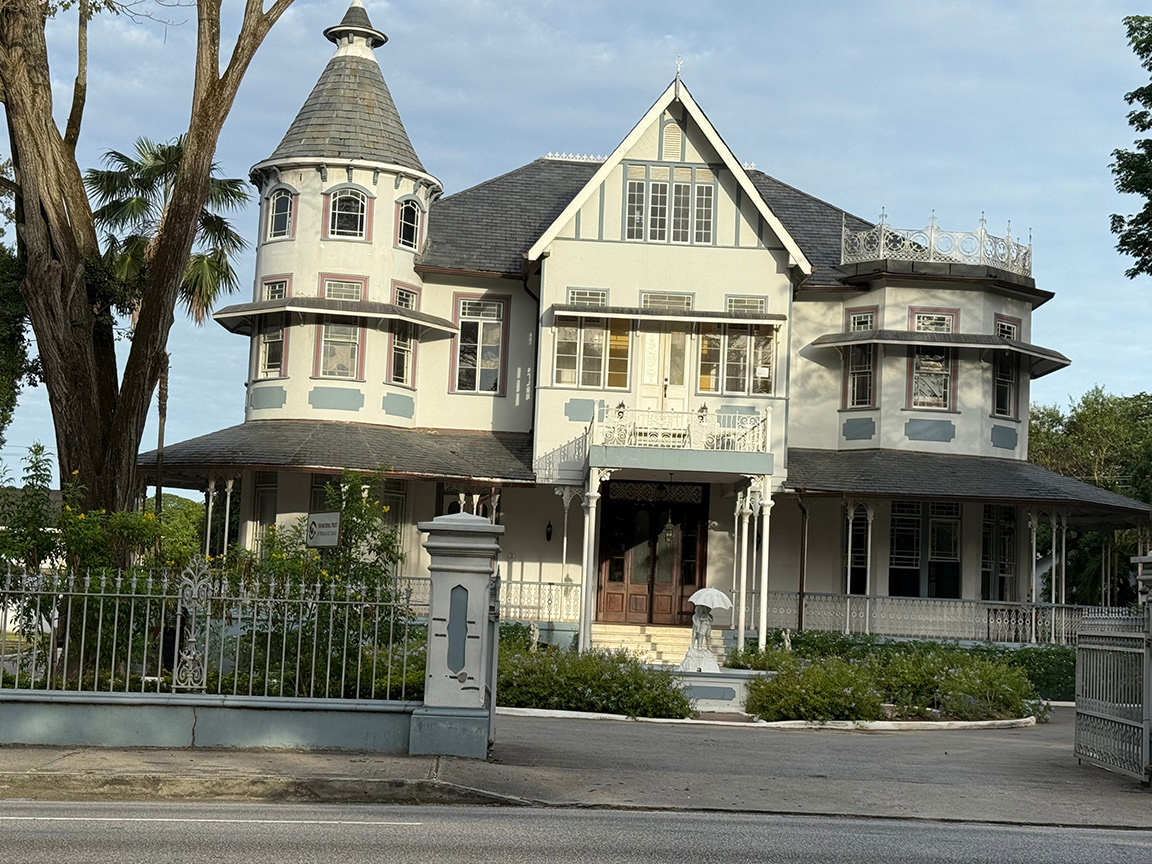
Welcome to The UWI St. Augustine Campus, where the energy of Trinidad and Tobago meets academic excellence and sport! As the host of the UWI Games 2026, the St. Augustine campus offers more than just world-class facilities across eight faculties (including a Faculty of Sport); its iconic architecture to its expansive green spaces. The St. Augustine campus reflects the diverse, lively spirit of Trinidad and Tobago itself, and the UWI Games is the perfect opportunity for you to immerse yourself in all that The UWI St. Augustine and Trinidad and Tobago have to offer.
Host Country: Trinidad and Tobago
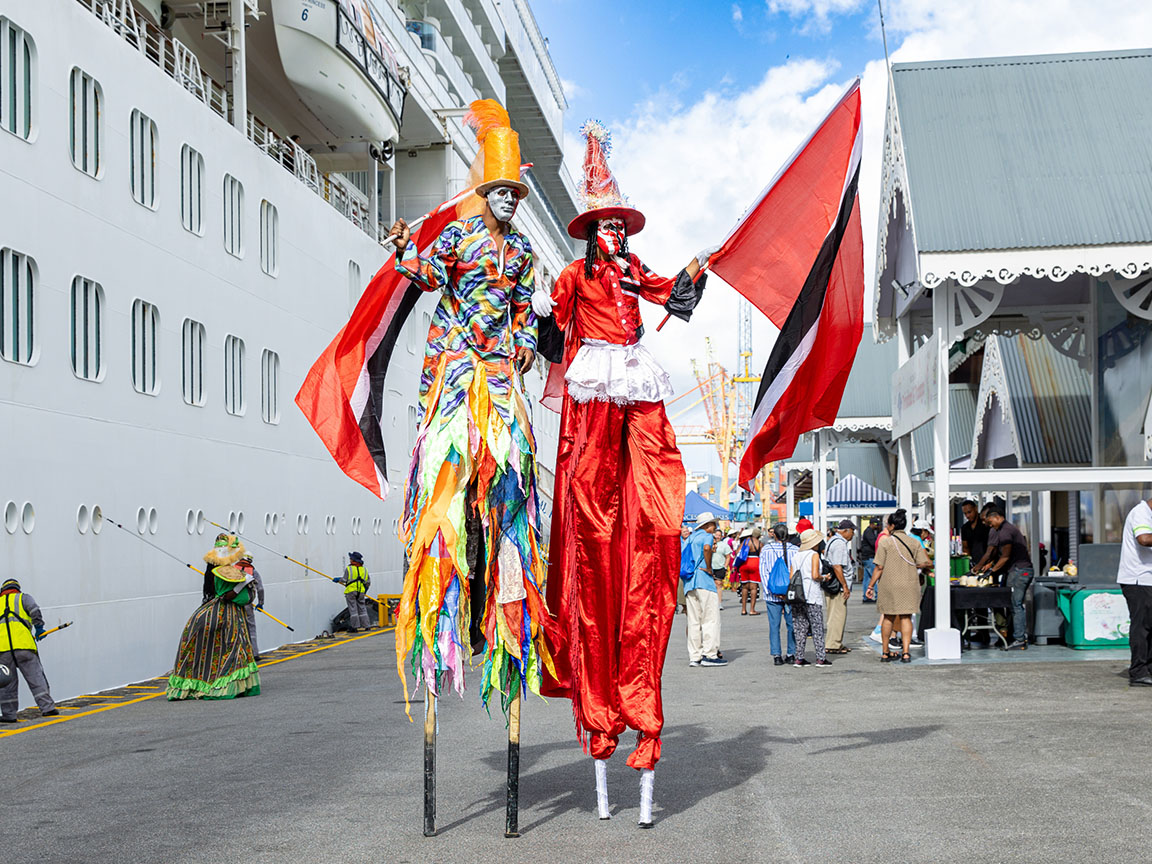
Moko Jumbie
A traditional Carnival character, originating from the stilt dancing practices of West African people, the Moko Jumbie is typically seen during the Carnival period. Skilled stilt walkers put on a display of costuming (often wearing intricate masks and outfits), while parading in the streets during Carnival.
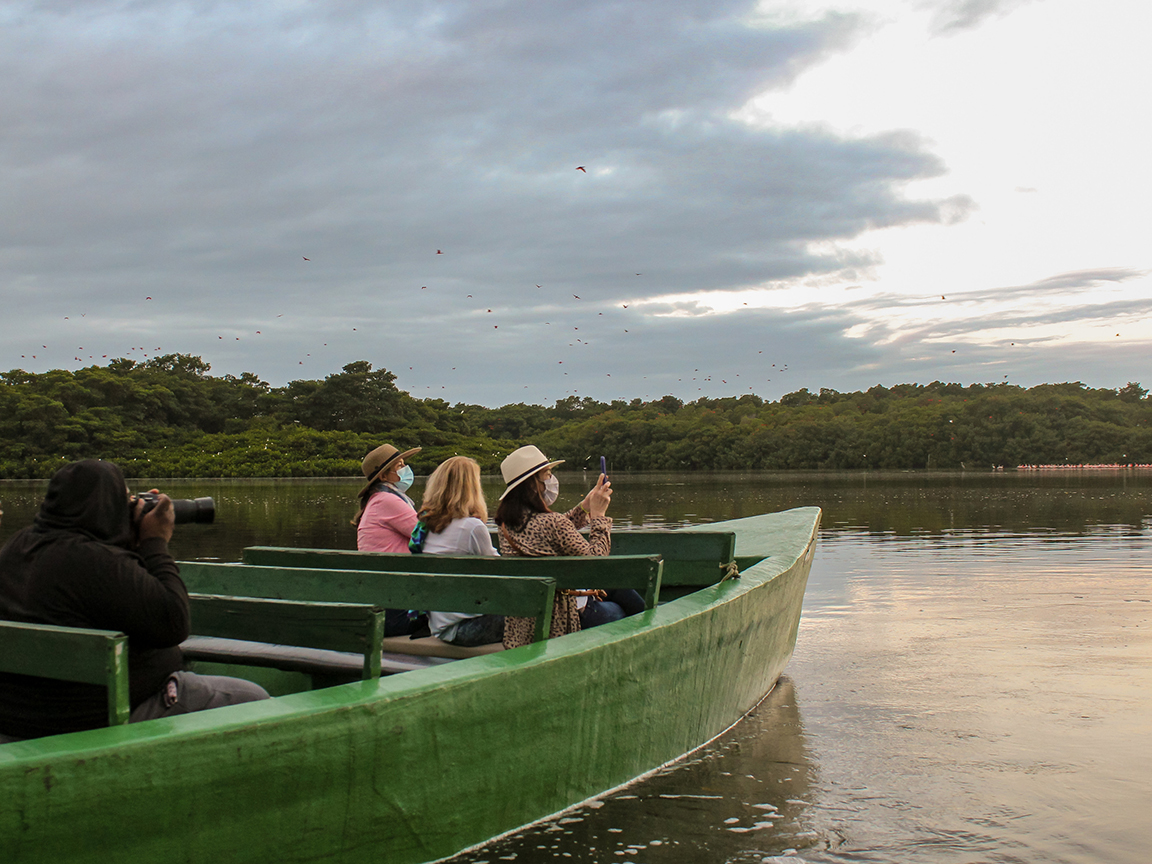
Caroni Bird Sanctuary
One of those ‘bucket list’ items, the Caroni Bird Sanctuary tour allows you to come face to face with the Scarlet Ibis that makes its home in the Caroni Swamp and comes home to roost at sunset. The Scarlet Ibis is a protected, environmentally sensitive species and this is one of the few ways to see them.
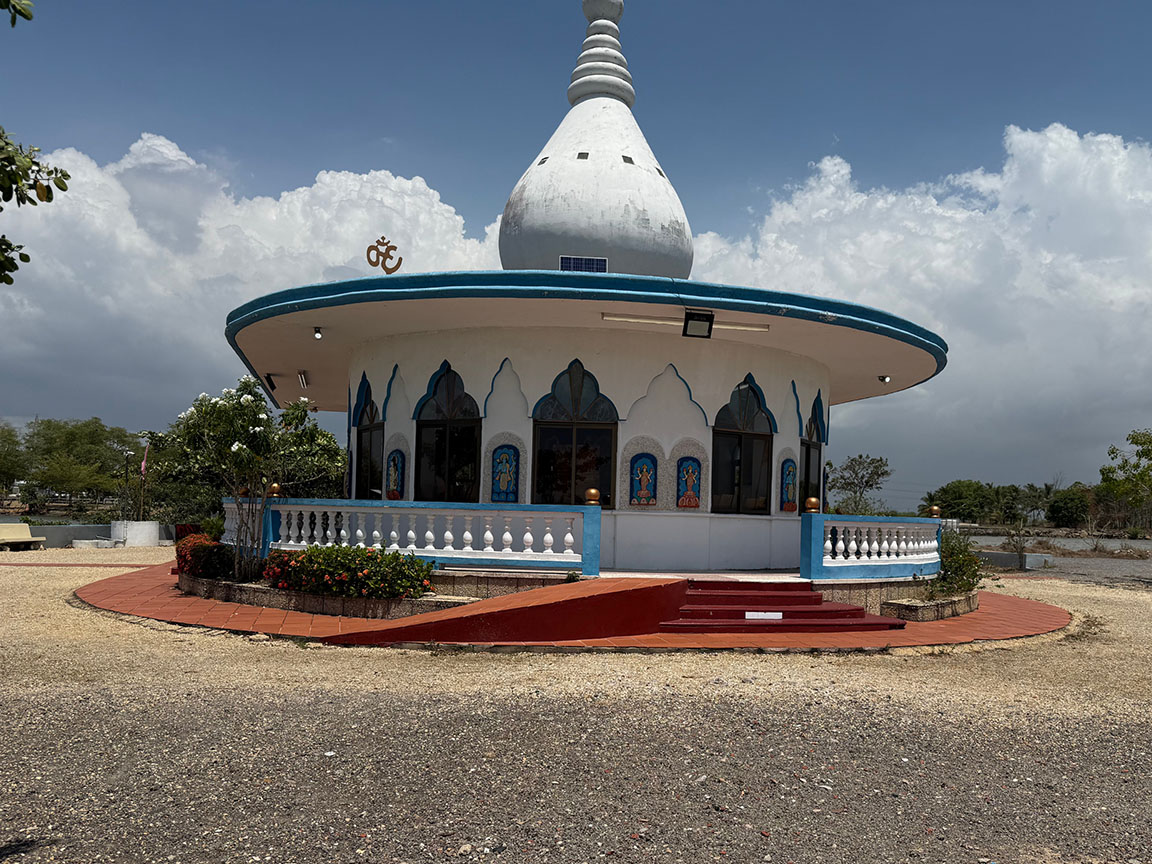
Temple in the Sea
Considered a National Treasure to Trinidad and Tobago, the Temple was constructed by Indian labourer, Seedas Sadhu in 1947 (on land). It was later demolished and rebuilt on the sea, which took him 25 years to achieve singlehandedly. Sitting on a man-made island and connected by a pedestrian causeway, the temple displays images and murtis of Ganesh, Siddartha, and other Hindu deities.
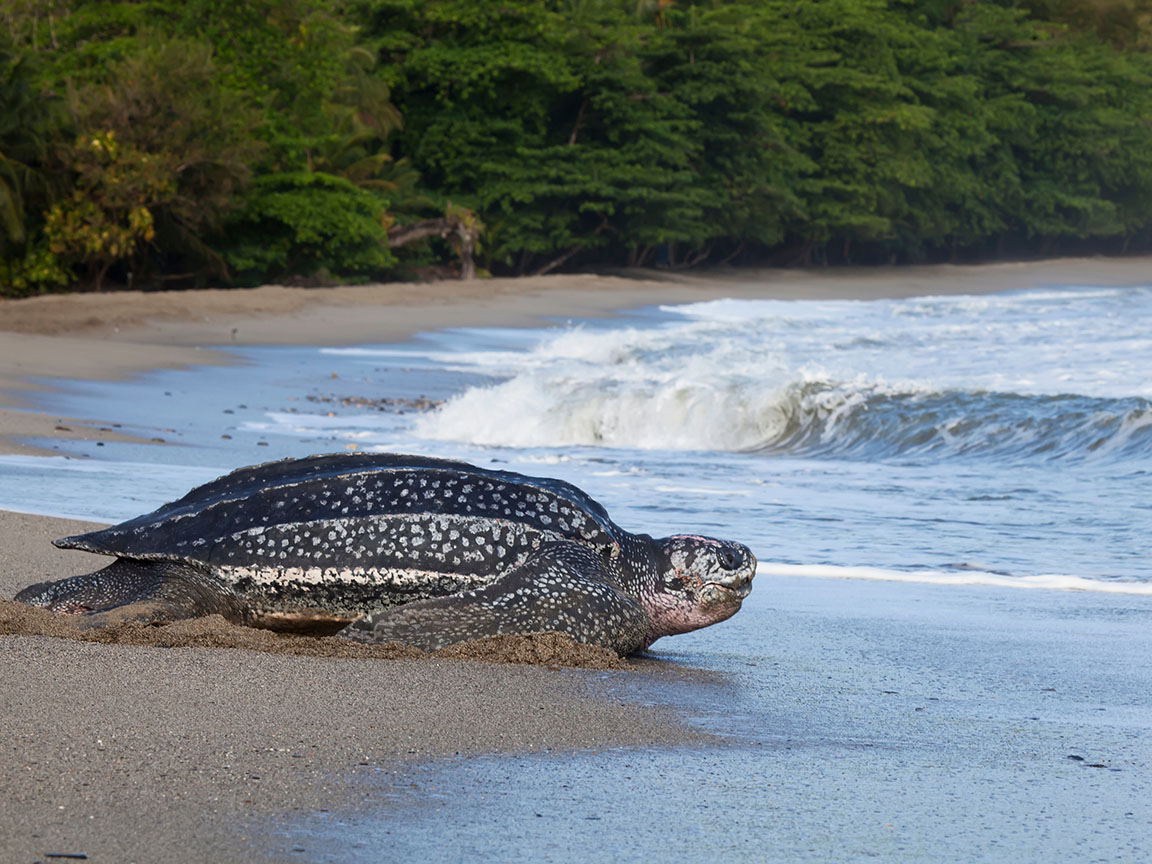
Turtle Watching
Trinidad is one of the top three nesting sites in the world for endangered leatherback turtles. Trinidad & Tobago’s sea turtle fauna is one of the most diverse in the Caribbean with them regularly nesting on the island’s beaches. The turtles nesting on the island’s beaches come from feeding grounds throughout the Caribbean Sea and Atlantic Ocean. Visitors to the nesting spots need to be accompanied by a licensed tour guide to ensure that the nesting areas are not adversely affected as all species are still endangered.
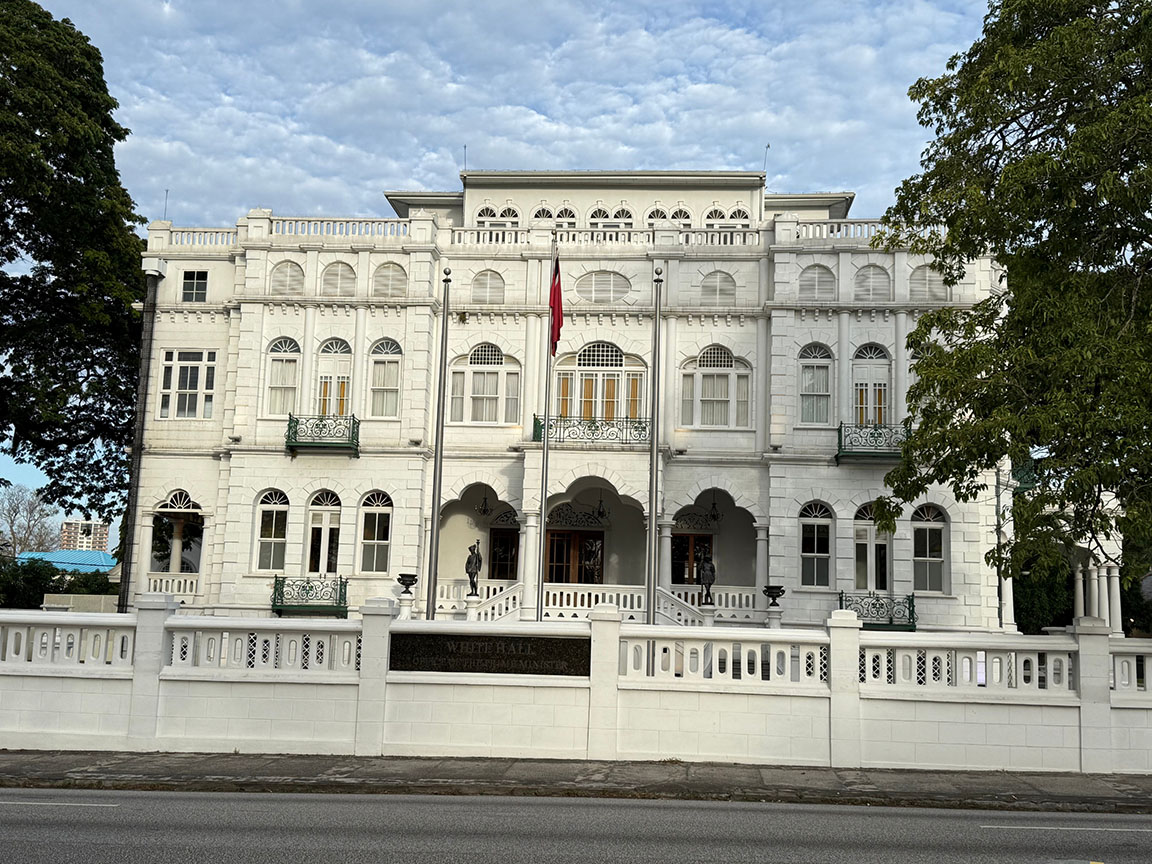
Whitehall
Built in 1904 by cocoa planter, Joseph Leon Agostini, White Hall is another building within the Magnificent Seven around the Queen’s Park Savannah. Originally called Rosenweg, it was renamed White Hall after the coral stone from which it was built after it changed ownership in 1907.
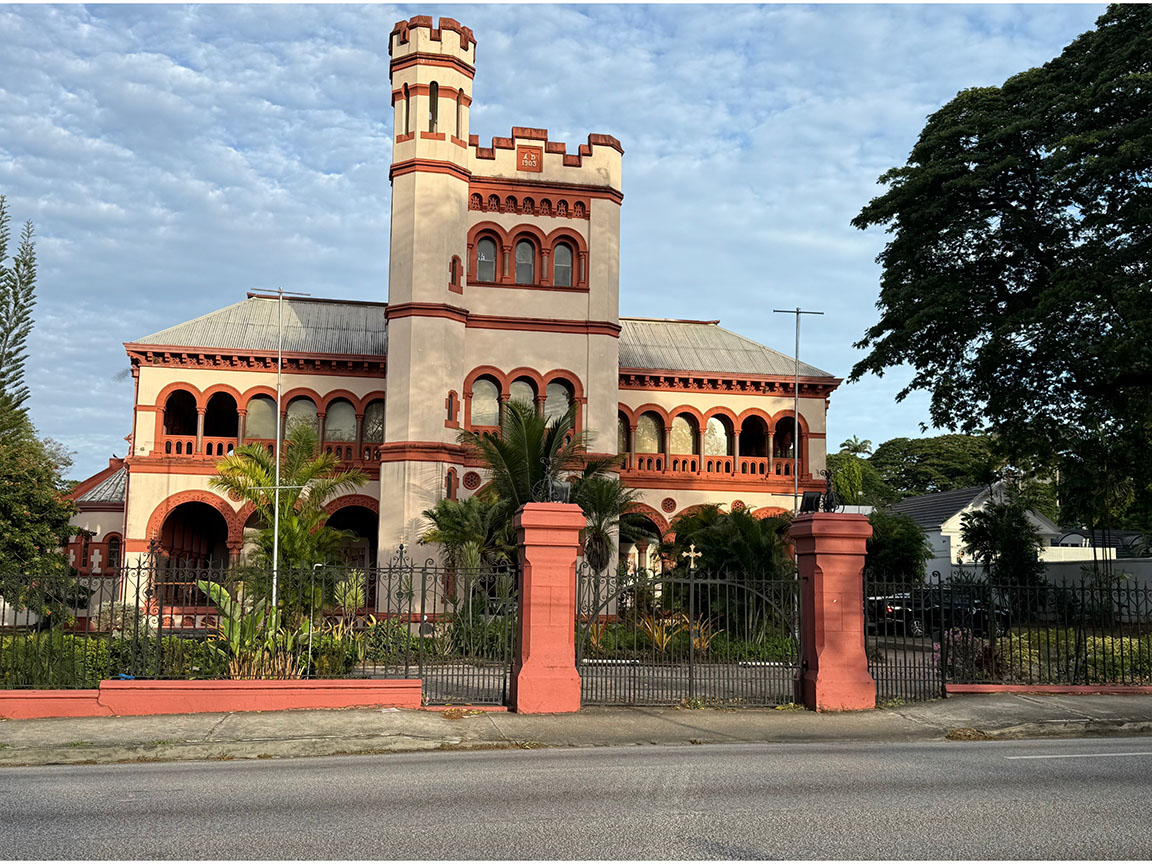
Archbishop’s Palace
Built in 1903 by the fifth Archbishop of Port of Spain, the Archbishop’s Palace stands out as one of the many amongst the Magnificent Seven mansions around the Queen’s Park Savannah. The structure was designed in Ireland and was heavily influenced by Indian architecture. A must-see of the Magnificent Seven buildings!
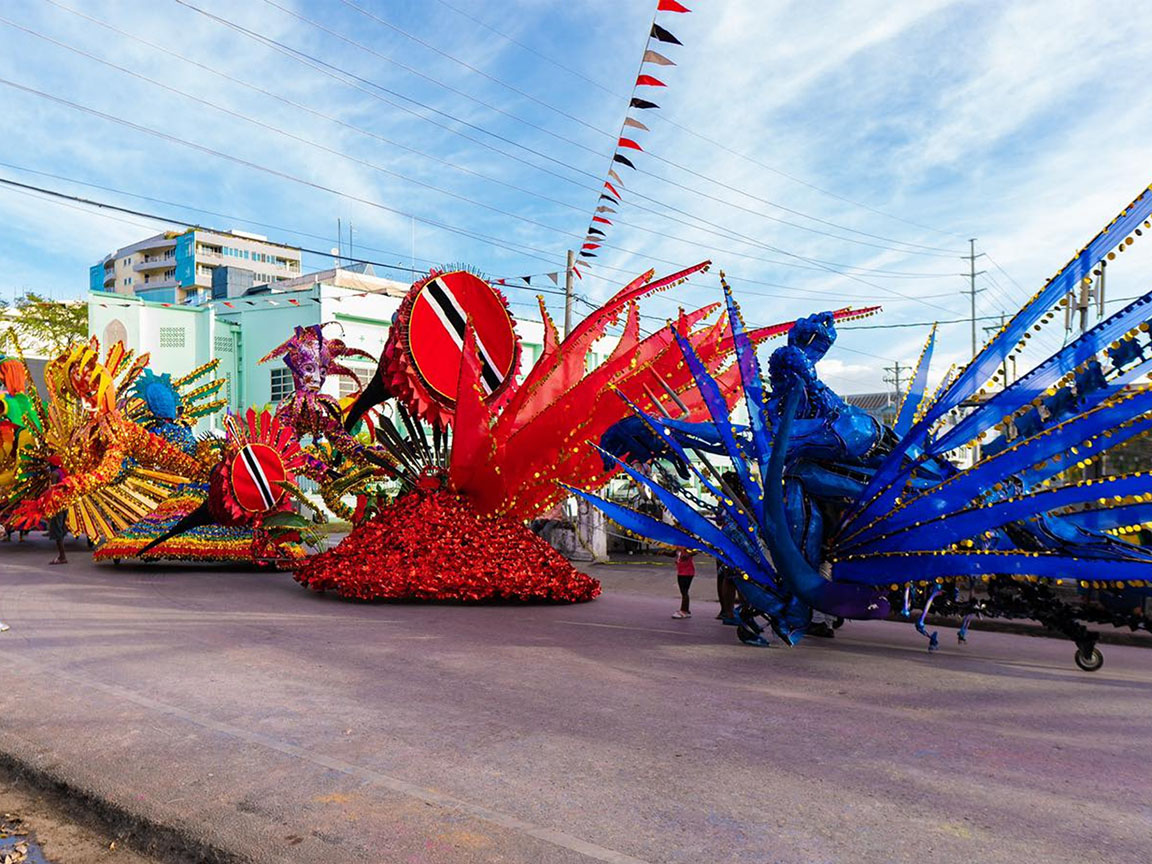
Carnival
Known as the ‘Greatest Show on Earth’. Trinidad and Tobago’s Carnival is renowned for its colourful costumes, vibrant music, and unique atmosphere. Carnival encompasses numerous cultural features such as Panorama, Jouvert, Old Mas, Stick fighting, and culminates in the two-day street festival. Witnessed every year by thousands of locals and tourists alike, the festival is unmatched the world over and has to be experienced to be believed.
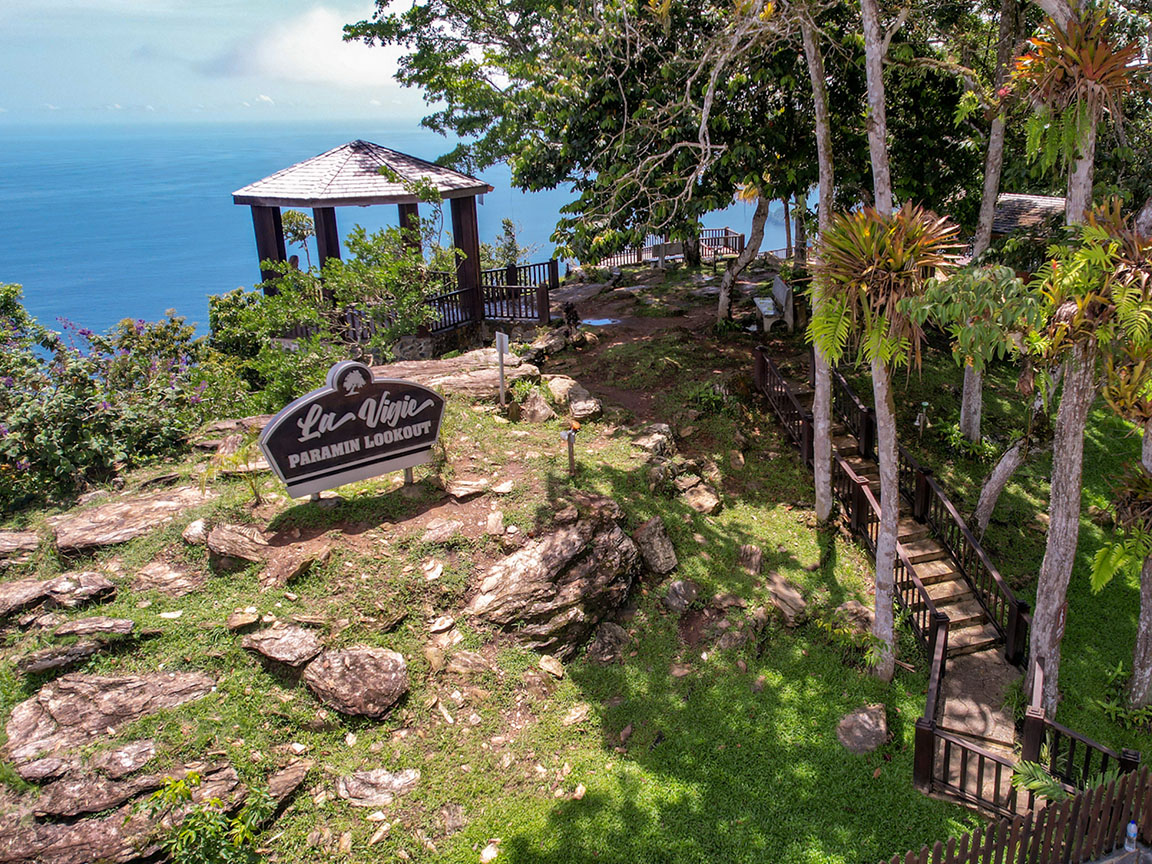
La Vigie Paramin Lookout
Explore the sights of Paramin, via the mountainous roads and market spots with a final stop at the La Vigie location which provides the most scenic views of the Northern Range. Set above the foothills of Maraval, the view at the lookout transcends imagination, and is also a perfect spot for a picnic and enjoying the company of friends.
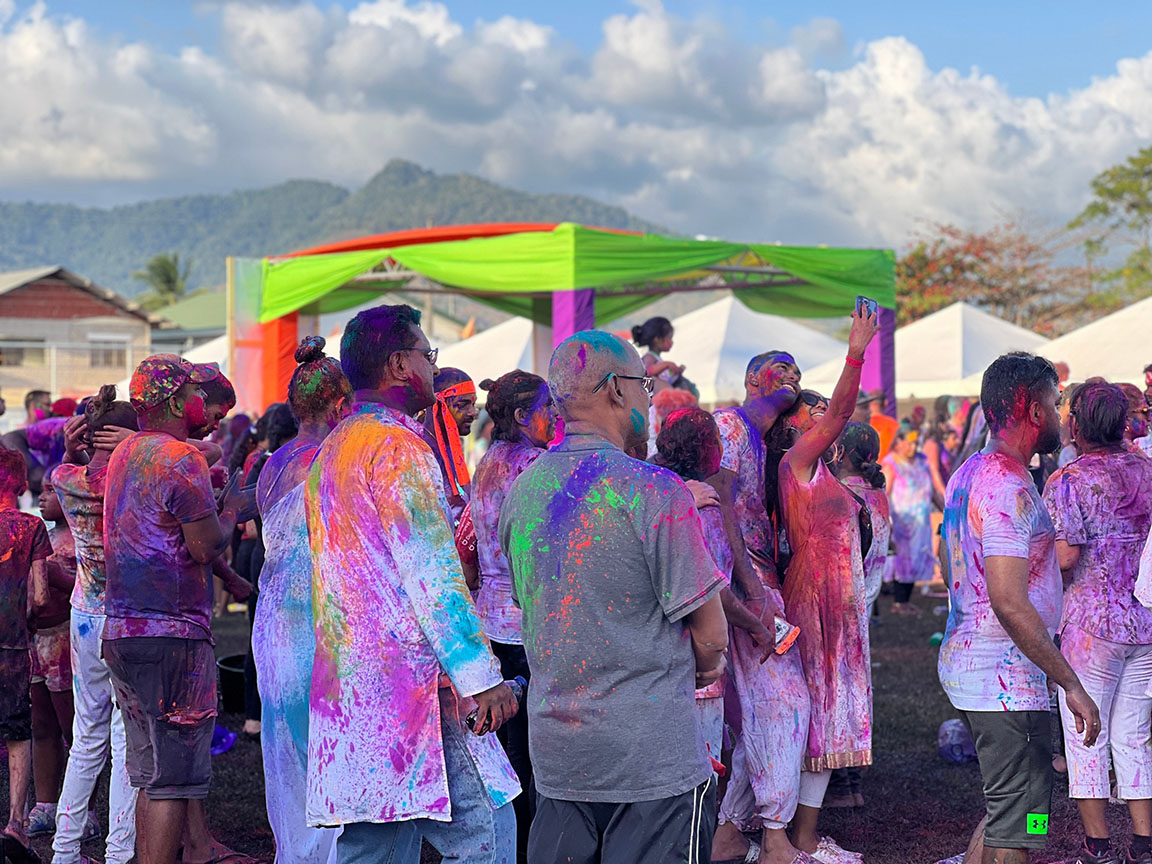
Phagwa
A Hindu festival (also called Holi) celebrates the first day of spring. Participants typically wear white and spray each other with coloured water (abeer). The festival is a religious rite of purification to promote good health by throwing the coloured powder, while singing and dancing to create a cheerful atmosphere.
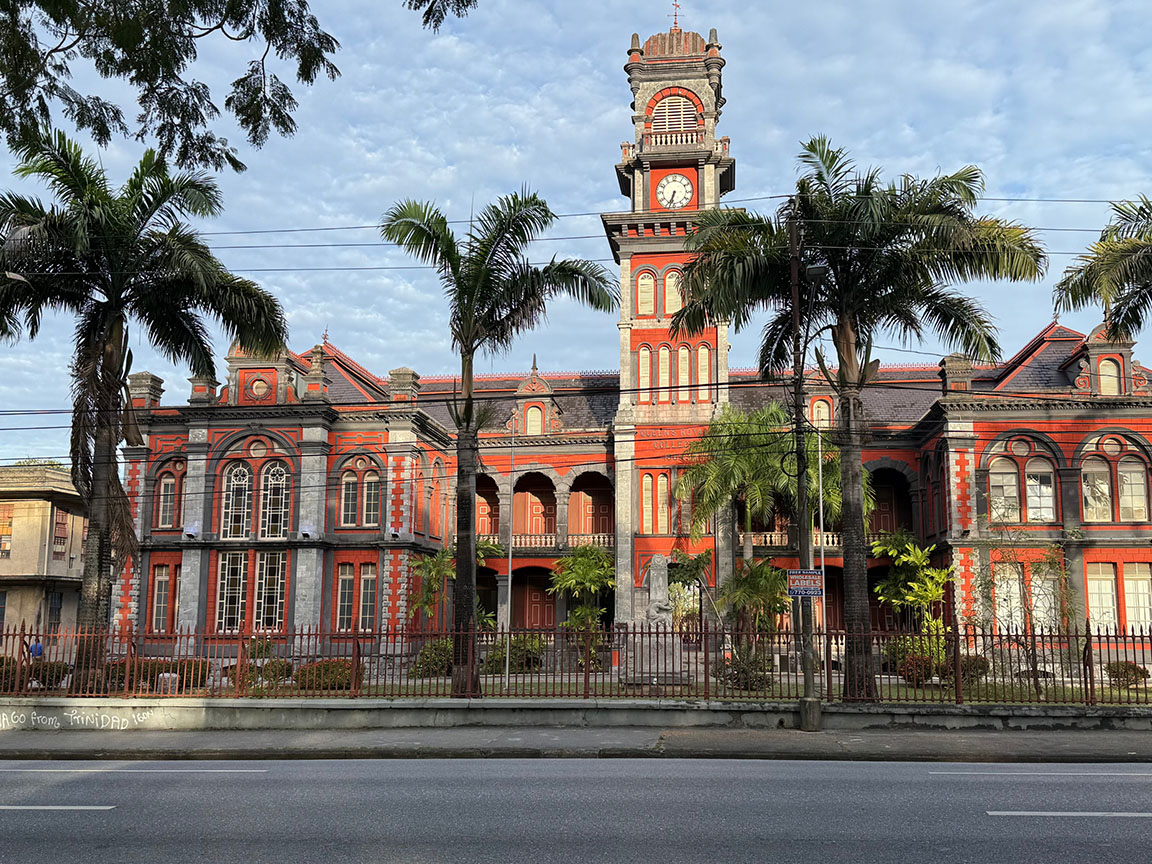
Queen’s Royal College
Still the location of one of the leading secondary schools in the Port of Spain area, Queen’s Royal College is part of the majestic buildings within the Magnificent Seven. The main block includes a lighted clock tower which houses a gifted chiming clock from King Edward VII; one of the major focuses of the main structure. Built in German Renaissance style in 1904 the building boasts many tropical architectural updates.
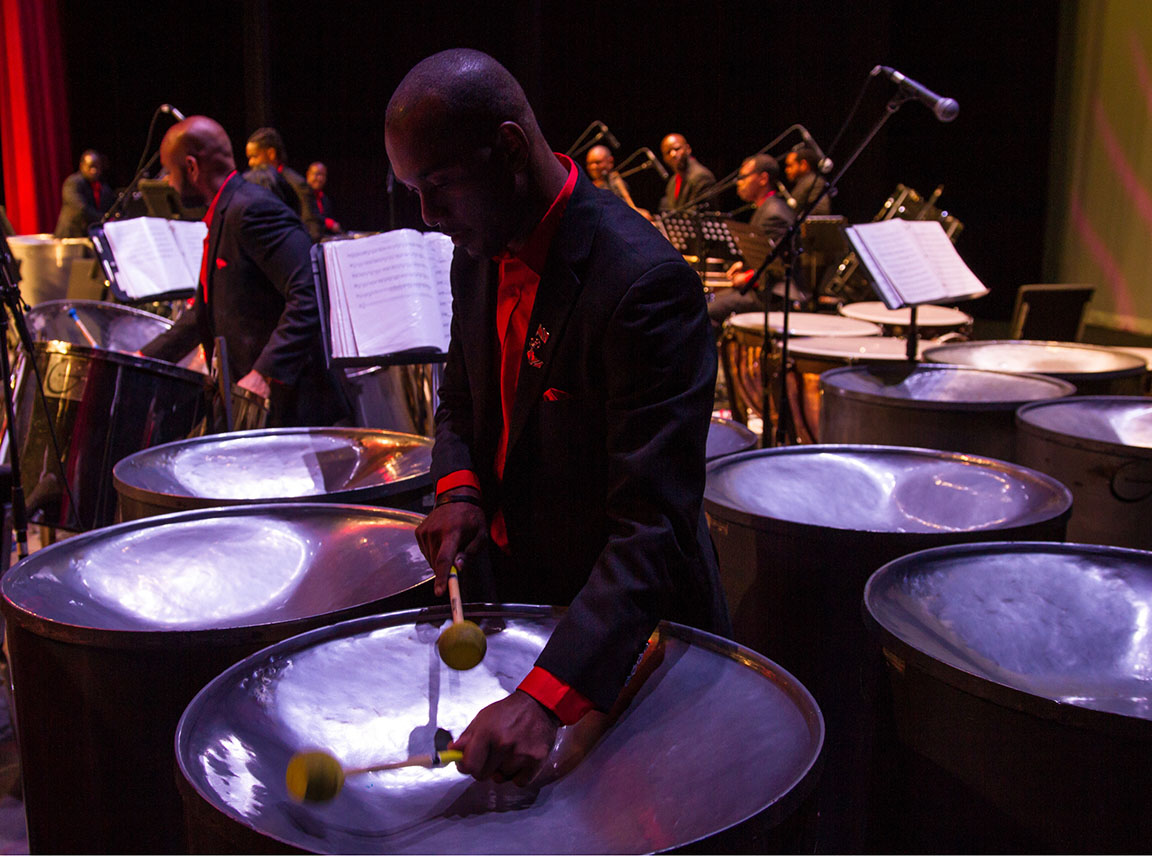
Steelpan
Originating in Trinidad and Tobago and recognised as the only acoustic instrument invented in the 20th Century, the Steelpan is the national instrument of Trinidad and Tobago and it appears prominently on the country's Coat of Arms. During Carnival, the steelpan has a prominent role in the musical environment, with Panorama being a central focus of the Carnival season.
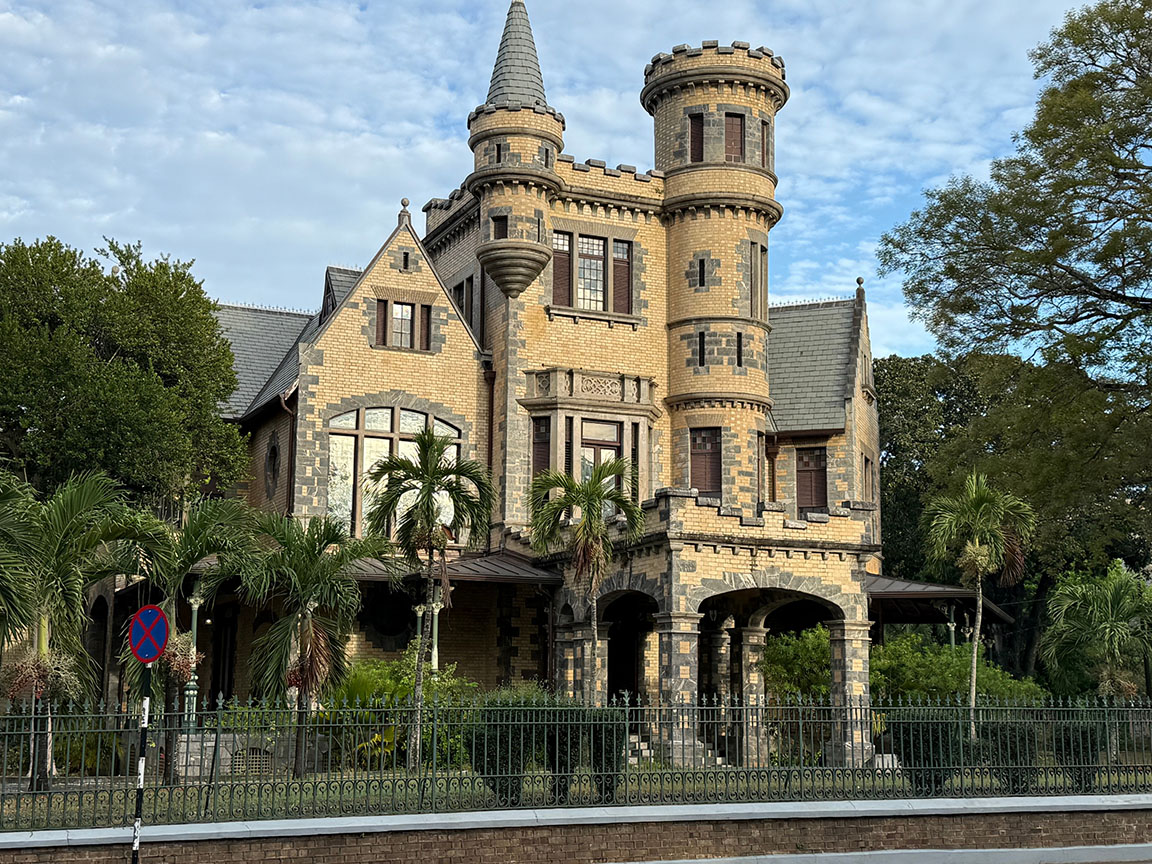
Stollmeyer’s Castle
Also known as Killarney, Stollmeyer’s Castle is one of the more striking mansions of the Magnificent seven. The first of the Magnificent Seven to be built, construction began in 1902 and was heavily patterned after the Balmoral Castle in Scotland.