
Data is undeniably playing a pivotal role in Caribbean development. My passion for building mathematical and statistical models has sparked my interest in contributing data-driven insights to construct multidisciplinary, sustainable approaches in various projects in climate resilience. As a researcher and educator, I have witnessed the remarkable influence data can wield in tackling intricate issues and fostering tangible progress.
At the core of my approach is the belief that traditional methods alone are insufficient to tackle the intricacies of contemporary problems. I integrate data-driven modelling, interdisciplinary collaboration, and a deep commitment to sustainability to develop predictive models that address the root causes of issues related to climate change, for instance, flood risk prediction and coastal resilience.
By bridging the gap between academia and industry, we can leverage the expertise, resources, and real-world insights of both sectors to develop innovative solutions that address the unique challenges facing the Caribbean. This collaborative approach not only enriches our research endeavours but ensures our sustainable models are practical, scalable, and directly applicable to the needs of communities and industries across the region.
My work in climate change begins with the interconnectedness of environmental, social, and economic factors. Through rigorous data analysis, I uncover hidden patterns and correlations that provide invaluable insights into the unique dynamics of our Caribbean region. By integrating these insights into sustainable data-driven models, I aim to empower stakeholders to make informed decisions that mitigate environmental impact and foster resilience.
In 2022, I had the privilege of leading a cross-campus team from The UWI, St Augustine (The UWISTA) and Five Islands Campuses to secure first place in the Growth & Resilience Dialogue (GRD) 2022 Climate Resilience Data Challenge. The goal was to develop AI (Artificial Intelligence) application prototypes to address critical climate data issues in the OECS region. Specifically, our winning prototype featured a platform based on a statistical model to predict and classify various levels of flood risk based on several factors, including temperature and rainfall. I was intrigued by the potential of these data-driven solutions to enhance resilience and preparedness in the face of climate change impacts in the Caribbean.
Currently, I am involved in an innovative project entitled ‘Using Artificial Intelligence (AI) to Improve Coastal Resilience in Data-Sparse Locations: Caribbean Region Case Study (AI4Coasts)’. My multidisciplinary team comprises subject-matter experts at The UWISTA, including the brainchild behind this project, Dr Deborah Villaroel-Lamb (Lecturer in Coastal Engineering), along with Professor Patrick Hosein (Professor of Electrical and Computer Engineering) and international partner Dr Md Salauddin (Assistant Professor, Department of Civil Engineering) at the University of Dublin, Ireland. This research is funded by ‘Our Shared Ocean Programme Direct Funding Project Award’ supported by Irish Aid through the Marine Institute in Ireland.
We have a vested interest in assessing the impacts of climate change on coastal areas, particularly the threat posed to communities and marine ecosystems by flood and storm surges. Leveraging AI for climate resilience, the project will utilise data-driven insights using Machine Learning, a subset of AI which explores the analysis and construction of algorithms that can learn from and make predictions based on data. The key objectives of the project include:
- Identifying alternative data sources for decision-making,
- Predicting climate resilience of coastal locations, and
- Determining optimal techniques to sensitise and educate vulnerable communities.
In this way, we seek to guide the decision-making process, particularly in data-sparse locations such as the Caribbean. Stakeholder engagement is central to the project, with a focus on accessing and exploring datasets. The findings of this study will be disseminated directly to key stakeholders and the wider Caribbean region. However, challenges remain on the path to data-driven sustainability. Limited access to data, technological barriers, and systemic inequalities pose significant obstacles. Addressing these challenges requires collective action and a commitment to equity and justice. By ensuring that data-driven solutions are inclusive and accessible to all, we can harness their full potential to create a more sustainable and equitable future.
As we confront the existential threat of climate change and navigate the complexities of a rapidly evolving world, innovative solutions are needed now more than ever. My journey is a testament to the transformative power of data-driven insights in driving positive change. We can address pressing challenges and pave the way for a resilient and equitable future through collaboration, innovation, and a commitment to data-driven sustainability. I hope to inspire others to join me in harnessing the full potential of data-driven, sustainable models to benefit present and future generations.
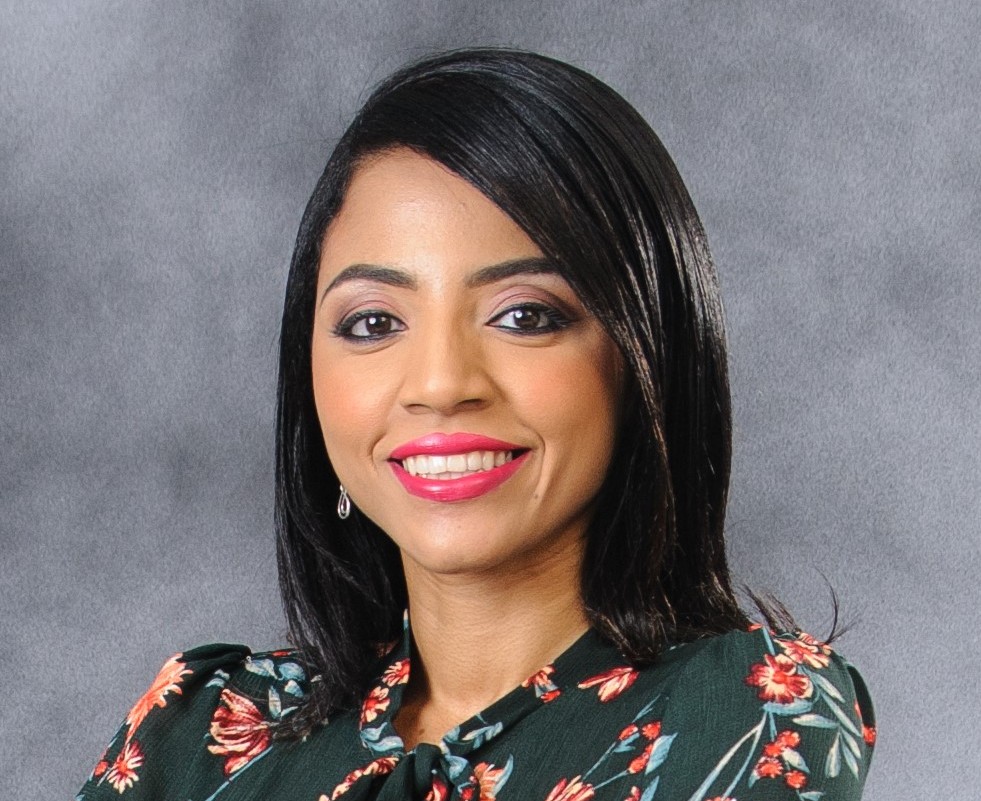
Dr Letetia Addison
Dr Letetia Addison is an experienced educator, statistician, and researcher at The UWI. She specialises in mathematics and statistics education and develops predictive, data-driven models for climate change sustainability.