
Trinidad and Tobago and the Caribbean are hotspots for terrestrial and marine biological diversity. Taxonomic studies or the ability to tell species apart are key to understanding biological diversity. In the same way that we can distinguish between hummingbird species in our gardens, we must be able to differentiate between marine species that are not as easily seen in ocean sediments and, more so, when they are microscopic. The discovery of Lamellibrachia judigobini was a momentous event in the world of marine science and for the University of the West Indies and Trinidad and Tobago.
Why are these microscopic worms interesting?
They are actually marine polychaetes (or Annelida) that live in ocean sediments and are a component of the macrobenthos or bottom sediment fauna. The macrobenthos includes molluscs, crustaceans and nematodes. However, the marine worms (polychaetes and nematodes) tend to dominate the macro-infauna and are very important as they are the food sources for larger fauna. In effect, marine worms are critical components of the food chain since they are fed upon by small invertebrates, which are then themselves fed upon by larger macrofauna, including fish communities.
Marine worms are critical to the marine food chain, so any negative or harmful impact on them (think oil and other types of pollution) can reduce the fishery food supply with devastating consequences! For this reason, benthic ecology assessments are a critical component of Environmental Impact Assessments (EIAs).
Being microscopic, the worms need to be examined carefully under a microscope and using taxonomic keys, we can identify and differentiate between species. Compare this to hummingbirds, which one can tell apart by using live specimens or photographs. Polychaete taxonomy has contributed significantly to our overall knowledge of benthic ecology and marine biodiversity and led to a much greater understanding of what lives in ocean sediments.
Of what value is this new giant tube-worm species Lamellibrachia judigobini?
The biodiversity of our islands and the richness of resources is what makes them attractive, interesting and valuable. The deep sea is a very special place with extreme conditions, yet biodiversity here is unimagined with a variety of deep-sea corals, sponges, mussels, crabs, fish and worms. Lamellibrachia judigobini, which grows to about 1 meter, was found at 3400m, 100 atmospheres of pressure and 40C at a cold seep, where fluids rich in hydrogen sulphide and methane were being released from the seafloor. Lamellibrachia judigobini lacks a mouth and digestive system and relies on symbiotic bacteria within its body to convert chemicals from the seeps into nutrients; this process is called chemosynthesis.
Such unique adaptations are encoded in the organism’s genetic material. The unique biochemical processes occurring within the worm may offer insights into novel enzymes or reveal special metabolic pathways. So, genetic diversity studies of the “Judi worm” can reveal potential applications in biotechnology and medicine, including the development of new drugs and therapies. Many such marine derivatives are already in use in the pharmaceutical industry (including cancer drugs and cosmetics) and industrial products (enzymes, marine foods, etc.) A number of Caribbean marine species, e.g. the sponge Cryptothethya crypta (cancer drug), have already contributed to this billion-dollar global industry.
So, the discovery of a new deep-sea species is important?
Yes — a species that is new to science means a potential marine genetic resource or MGR. MGRs also play a pivotal role in ensuring sustainable fisheries and aquaculture. Since global fisheries rely on marine organisms for food and other products, understanding the genetic makeup of these species can help improve breeding programs, disease resistance and overall productivity.
Adaptations by deep sea organisms over millions of years make them resilient to environmental stressors. Their genetic material can offer insights into how organisms cope with changes in temperature, ocean acidification, and other effects of climate change. Such information can inform strategies for enhancing the climate change resilience of marine ecosystems.
Deep sea ecosystems are among the most fragile and least understood on the planet. Exploitation and exploration in the deep sea often result in destruction even before we are aware of “what is actually living there”. The discovery of Lamellibrachia judigobini underscores the need for responsible exploration and conservation. By protecting these unique organisms and their habitats, we preserve not only their genetic diversity and potential solutions to some of the world’s most pressing challenges, from biotechnology and medicine to climate change resilience, but also the intricate web of life that depends on them.
It is our responsibility to be stewards of the ocean, safeguarding its treasures for generations to come.
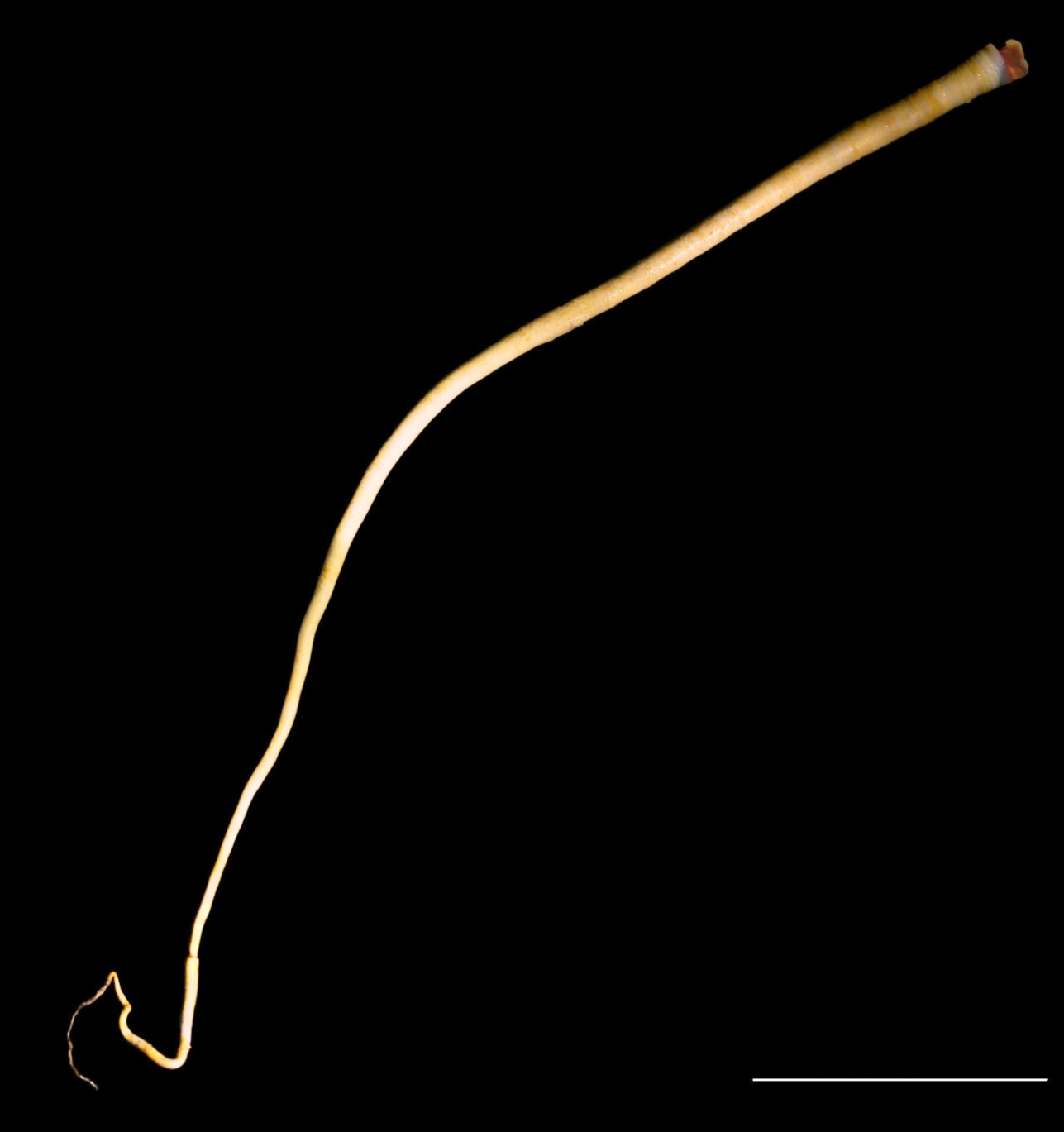
Lamellibrachia judigobini

Professor Judith Gobin